Explore how Urban City;WMG leads in sustainable development, embracing smart city innovations for a greener metropolitan growth.

Urban City




Urban City;WMG – Explore the Heart of Vibrant Metropolis
The bright lights of the city skyline flickered outside my window. I felt a sense of anticipation and wonder. The urban cityscape was a mix of towering skyscrapers and busy metropolitan areas. Each one showed the human spirit’s ingenuity and ambition. I was about to explore the world of slot games in this dynamic metropolis. It’s a world of thrills, strategy, and the possibility of winning big prizes.
Slot games draw in players with their amazing visuals, engaging sounds, and the chance to hit the jackpot. As I learned more about slots, I realized they’re more than just pulling a lever or spinning a reel. They are linked to the urban planning and city infrastructure that we live in. It’s a mix of technology, design, and the goal of having fun.
We’ll dive into what makes slot games appealing and how to play them well. In our journey, I’ll share tips to help you feel confident in the smart city of slot gaming. Let’s explore this vibrant metropolis together, where big prizes and excitement are waiting.
Key Takeaways
- Slot games are a captivating reflection of the urban landscape, blending technology, design, and the pursuit of excitement.
- Understanding the features and mechanics of slot games can help players navigate the world of slot gaming with confidence.
- Exploring the thrilling world of slot games can be a gateway to experiencing the pulse of a vibrant, sustainable city.
- Slot games offer a unique opportunity to engage with the smart city technologies and innovations shaping the future of urban environments.
- Strategies and tips for playing slot games can enhance the overall gaming experience and increase the chances of winning big.
Warner Music’s Iconic London Headquarters
In London, Woods Bagot crafted a new home for Warner Music UK. It brings all their record labels together under one roof. The 67,005 square-foot space unites their activities, which were spread across six places, into “HQ Music House” at 27 Wrights Lane.
A Consolidated Hub for Music Labels
This design aimed to make things easier for Warner Music. It combined the labels, the publishing, and the operations into one place. This move makes work flow better, improving collaboration and creativity.
Innovative Design Approach
The building is not just for looks. It’s made to perfectly fit the needs of each part of Warner Music. By using open spaces and new designs, it can change as the industry changes.
Expressing Brand Identity
The headquarters do more than just house Warner Music’s staff. They show who the company is, inside and out. They blend the look of each label with the company’s overall style. This makes the building a standout, showing off Warner Music’s role in the media and music world.
The Metropolis Level in Video Games
In video games, players often find themselves in the center of a bustling video game setting. These settings, known as “Metropolis Levels,” are full of tall buildings and busy streets. They let players experience a lively and engaging urban exploration.
Exploring Urban Environments
Metropolis Levels take after real cities like New York City and Tokyo. They are built with great detail. You’ll find yourself leaping from roof to roof, dodging cars, and using vehicles in fun ways.
City-Inspired Gameplay Mechanics
Game developers turn city life into exciting gameplay mechanics in Metropolis Levels. Players must deal with street crime and avoid wild animals. This mix of the real and the fantastical makes for a thrilling gaming experience.
Urban Planning and Smart Cities
The city of the future needs a fresh approach to urban planning. Leaders worldwide aim to overcome the hurdles of expanding cities. They focus on global mobility projects, citizen engagement, and sustainable development.
Global Mobility Projects
Organizations such as the Cities Today Institute and Gloucestershire County Council are at the forefront. They are investigating new ways to enhance urban infrastructure. They also push for more green initiatives.
Citizen Engagement
Getting citizens involved in the future smart city is key. Experts are encouraging citizen participation in planning and using smart city tech.
Sustainable Development
City development is now deeply focused on being sustainable. The goal is to craft cities that are not only environmentally friendly but also great places to live.
Urban City;WMG – A Vibrant Metropolis
“Urban City;WMG” takes us to the heart of a vibrant metropolis. It shows how modern infrastructure, advanced technology, and culture shape a bustling city. We explore famous spots, high-tech ways to move around, and the uniqueness of city life.
This article dives into the mix of high-tech and green city planning. It has changed how we live, work, and enjoy city life. From smart city plans to IoT and AI, it’s all about making cities better for everyone.
The story goes from big global companies to future-ready ways of getting around. It shows a vibrant metropolis in all its variety. And it encourages us to see cities in a new light, focusing on smart, green, and welcoming spaces.
Skyscraper Cities and Vertical Urbanism
Cities all over the world are growing fast. They need to fit more people in the same amount of space. This challenge has brought about skyscraper cities and the idea of vertical urbanism. Vertical urbanism means building really tall structures in cities. These big buildings change how a city looks and how people live close together.
Architectural Marvels
The world of high-rise architecture is always evolving. Talented architects and designers are creating amazing skyscrapers that go higher than ever before. Cities like New York and Shanghai are filled with these tall structures. They symbolize the energy and growth of skyscraper cities all around us.
Challenges of High-Density Living
Skyscraper cities bring efficiency to using city space. But, they also pose new problems for planning and living. Issues like traffic, using up resources too fast, and making sure life is good for everyone are on the rise. Both city planners and people living in these cities are working on creative solutions.
| Key Challenges of High-Density Living | Potential Solutions |
|---|---|
| Overcrowding and Congestion | Improved public transportation systems, pedestrian-friendly infrastructure, and traffic management strategies |
| Strain on Infrastructure and Resources | Sustainable design features, energy-efficient building technologies, and integrated resource management |
| Impact on Mental Health and Well-being | Incorporation of green spaces, recreational amenities, and community-focused initiatives |
By tackling these challenges, we can make skyscraper cities that are amazing places to live. As cities grow and change, so must our approach to living in vertical and compact spaces.
Urban Transportation and Mobility
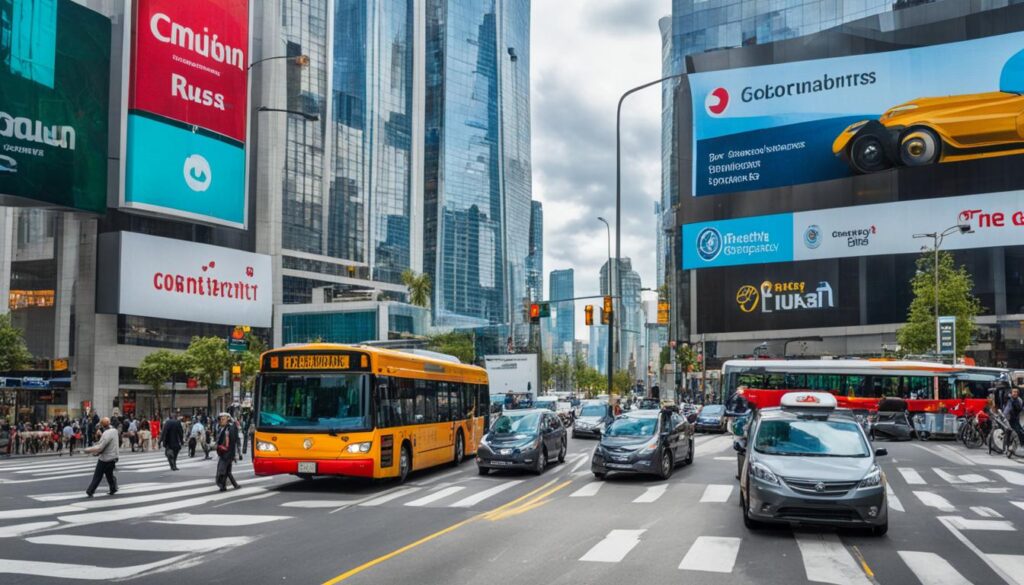
Urban centers are growing, and good transportation is key. Cities need new ways for people to move around. We will look at different urban transportation ideas that shape how people travel.
Public Transit Systems
Public transport is vital for urban life. It includes big metros, buses, and even shared bikes and scooters. These options are eco-friendly and help reduce how much we drive alone. Organizations like the Federation Internationale de Motocyclisme are working on making public transport better for everyone.
Traffic Management
To keep cities moving, traffic control is as important as public transit. Smart lights, tolls for busy times, and tools to watch traffic help. The TRL develops these tech solutions to ease traffic, making cities flow better.
Electric Vehicles and Charging Infrastructure
Cities are moving towards electric cars to cut pollution. For this to work, we need lots of places to charge these cars. bp pulse UK is helping by adding more charging stations. With more electric cars and better places to charge them, our cities can get cleaner.
City Infrastructure and Urban Planning
A lively city needs more than just good transportation. It also needs strong infrastructure and well-managed utilities. These elements help a city work well and remain sustainable.
Utilities and Utilities Management
Keeping utilities like water, electricity, and waste removal in check is key for city life. Gloucestershire County Council experts stress the need for up-to-date utility systems. These systems use smart tech and innovative methods to handle a city’s changing needs.
Zoning and Land Use
Utility management is closely tied to zoning regulations and land use. Through zoning and land use planning, cities like City of Tallinn set rules to manage growth. They consider the needs of homes, businesses, and nature. This helps cities use resources well and stay green, making urban life better for everyone.
Cultural Diversity in Urban Centers
Urban centers shine with cultural diversity. Neighborhoods and ethnic enclaves reveal the special identities and traditions of different groups. You can experience life through the vibrant arts and entertainment or the delicious culinary experiences. These aspects make cities lively and unique.
Ethnic Enclaves
In the U.S., urban areas host many ethnic neighborhoods. They are full of unique culture. Places like Chinatown in New York City and the Hispanic spots in Los Angeles are alive with traditions. They let people dive into their roots and others explore diverse cultures.
Arts and Entertainment
The arts and entertainment scene in cities is stunning. Museums display global art and music scenes buzz with life. Outings to see a Bollywood show in Chicago or a jazz band in New Orleans bring cultures together. These events showcase the city’s amazing mix of people and art.
Culinary Experiences
Urban settings offer a variety of foods reflecting cultural diversity. You can taste authentic dishes in family-run spots or try fusion cuisines in top restaurants. Enjoy meals from around the world, like spicy curry in Houston or sushi in Seattle. Every bite tells a story of the city’s mixed culture.
Environmental Challenges in Cities
Urban centers are growing fast. But, they face big environmental problems needing solutions. These include air pollution, waste, and creating green spaces.
Air Pollution
Air pollution stands as a major issue in cities. With more cars, factories, and people, the air gets dirty. This harms health and the environment. Special groups, like the Society of Motor Manufacturers and Traders, look for answers. They support using electric cars and better traffic control to fight air pollution.
Waste Management
Cities produce tons of waste every day. Dealing with this waste is hard and needs smart solutions. Leaders in the field, like the UK Power Networks, are leading efforts. They want to make waste management better by recycling more and finding ways to turn trash into energy. This work aims to keep our cities clean and healthy.
Green Spaces and Urban Forests
Having parks and forests in cities is key to making them more sustainable and pleasant. They help clean the air and give homes to animals. Plus, they are places for people to enjoy and relax. Many experts push for more green areas and forests in city plans. They see the many benefits these areas bring to making our cities greener and kinder to the environment.
Urban Resilience and Disaster Preparedness
As cities grow, being ready for disasters is more important than ever. This is why cities are working hard on urban resilience and disaster preparedness. They’re making sure cities are ready for natural disasters, emergencies, and other tough times.
Urban resilience starts with making a plan for emergencies. Cities look at what could go wrong. They check their important areas and plan how to react if a disaster happens. Teamwork among different groups is key in these plans.
Cities are also using new technology to get ready for disasters. They set up early warning systems and systems that show what’s happening now. This helps them react quickly in an emergency. Using these tools makes being ready for anything easier.
Another big part of getting ready is making the city stronger. Cities are fixing up buildings and adding ways to stop floods. They’re also finding new ways to get energy. These steps help cities now and in the future by making them tougher against dangers.
In the end, cities are learning that working together and using many plans is important. This makes sure cities are safe and can handle anything that comes their way. Focusing on being ready helps cities protect their people and important areas, coming out stronger from tough times.
Economic Opportunities in Urban Areas
Urban centers are hubs of both cultural and social life. They are also key spots for economic growth and job opportunities. This article explores the various job market and industry sectors in cities. It shows the wide range of economic opportunities available.
Job Market and Industries
In cities, you’ll find many industry sectors. These include tech, finance, healthcare, and manufacturing. City areas pull in skilled and varied workers. This makes a strong job market. It provides chances for career growth and learning.
The EIT Urban Mobility underlines how economically active cities are. They’re full of leading industries and the chance for new ideas to meet and grow.
Entrepreneurship and Start-up Culture
City areas are also famous for their lively entrepreneurial and start-up culture. A high density of talent and resources makes it the perfect place for new businesses and creative ideas. The Toyota Mobility Foundation talks about the special chances and hurdles that start-ups face in cities. They note how it’s easier to grow and expand there.
Urban Inequality and Gentrification
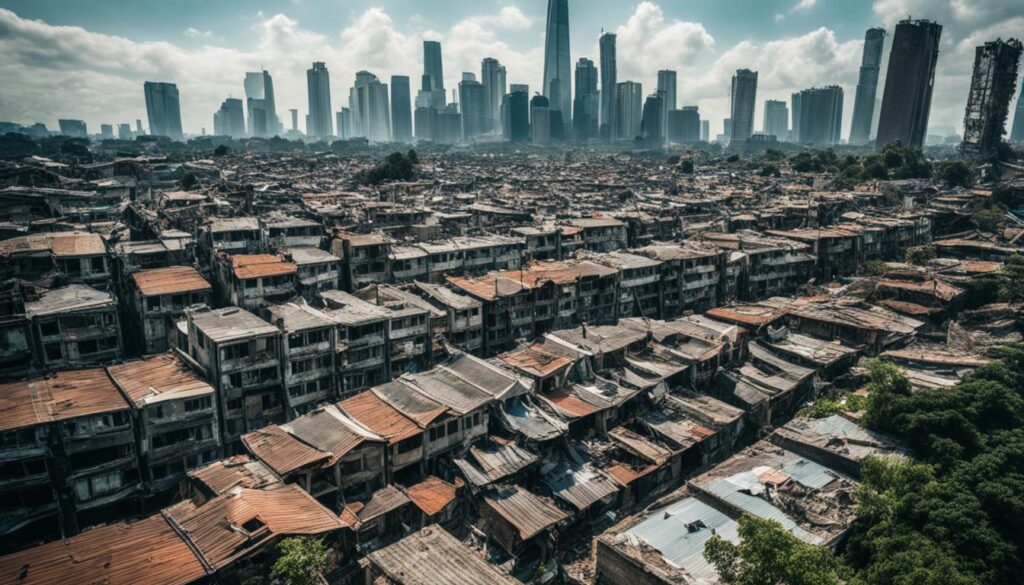
Big cities often have a lot happening. But sometimes, not everyone gets to benefit. This is what we see in the case of inequality and gentrification. In these rapidly changing areas, everyone doesn’t get the same chances. The article looks at why some people struggle with affordable housing and easy access to resources.
Affordable Housing
For many in cities, finding a place to live is hard, especially if you’re not rich. Prices for homes and rent keep going up, making it tough for some to stay where they’ve always been. This change is called gentrification. It makes it hard for some to continue living in their communities. It also makes the gap between rich and poor bigger and creates more social problems.
Access to Resources
Yet, the challenges in cities don’t stop at finding a place to live. They also include things like not having the same quality of schools and healthcare everywhere. Some parts of the city get much more than others. This can really affect people’s lives, making it harder to break out of a cycle of poverty.
A lot of smart people are working hard to fix these issues. Organizations like the Oxfordshire County Council and the R.N.I.B. are leading the way. They’re coming up with ideas on how to make housing more affordable. They’re also working on making sure everyone has better access to resources. Their goal is to make cities more fair and open for everyone.
Smart City Technologies
Urban centers are constantly changing. They need cutting-edge technology to become smart cities of the future. This article looks at Smart City Technologies. It shows how Internet of Things (IoT), Big Data and Analytics, and Artificial Intelligence (AI) are changing our cities.
Internet of Things (IoT)
The Internet of Things (IoT) is changing how cities work. It connects different city systems together. IoT devices and sensors help with things like managing traffic and monitoring utilities. They provide real-time data for better city decision-making. This helps officials improve how they deliver services. The European Space Agency is creating cutting-edge IoT solutions to make cities more resilient and improve lives.
Big Data and Analytics
In modern cities, there’s a lot of data to work with. This data helps with Big Data and Analytics for city planning and decision-making. City managers use insights from data to understand and solve community challenges better. Mercedes-Benz AG and MICHELIN Mobility Intelligence use big data to enhance transportation, infrastructure, and the city’s overall efficiency.
Artificial Intelligence (AI)
Artificial Intelligence (AI) is changing how smart cities run. AI helps with things like predicting when infrastructure needs maintenance and creating self-driving systems. This makes cities work better, be more efficient, and respond faster. Leading companies are exploring how AI can make planning, responding to emergencies, and allocating resources more efficient. This is moving us towards an urban future that’s smarter and more flexible.
Smart City Technologies are making urban centers more connected, data-focused, and people-friendly. The insights from this article show the tech that’s changing our cities for the better.
Urban Governance and Policymaking
Good urban governance and policymaking are key for smart city projects to work. Experts from organizations around the world, like the City of Heidelberg and the City of Tallinn, stress how important teamwork and involving everyone is. This helps in making the right policies and strategies for big cities to grow well.
Public-Private Partnerships
Looking at the big picture, public-private partnerships are at the heart of moving cities forward with new ideas and making sure they stay green. The partnership between governments and private businesses is great at solving tough problems, using resources efficiently, and making rules that really help the people.
Citizen Participation
Having citizens take part in decision-making is equally essential. Experts talk about citizen engagement, which means the local people actively help decide what happens in their areas. This way, plans and projects are made with everyone’s needs and hopes in mind, making cities better places for all.
| Organization | Contribution to Urban Governance |
|---|---|
| City of Heidelberg | Championing collaborative public-private partnerships and citizen engagement in shaping smart city policies |
| City of Tallinn | Integrating innovative technologies and data-driven approaches to enhance urban governance and policymaking |
| ITS (UK) | Providing insights and best practices on the role of intelligent transportation systems in supporting effective urban governance |
Conclusion
The “Urban City;WMG” article detailed the exciting features of a vibrant metropolis. It looked into the mix of buildings, activities, and culture that make a city lively. It discussed the impact of big companies and new tech on our cities.
Cities are always changing and learning from each other. This article’s tips and experiences are a great help for future city planners. It talks about using new technologies, working with businesses, and listening to what the people want. This way, we can make cities that are welcoming, enjoyable, and strong for everyone.
Heading towards a smarter, greener city life is an ongoing journey. The ideas in this article are a good start for making our cities better. With more and more people moving to cities, improving city life is really important. It will affect how we all live and enjoy city life in the future.
FAQ
What is the focus of the “Urban City;WMG” article?
This article looks into the heart of a bustling city, exploring its unique features. It covers everything from famous sites to diverse cultures, and new technologies. It also talks about how these things are shaping the cities of tomorrow.
What is the key feature of the Warner Music UK’s new office space in London?
Warner Music UK’s new space in London brings its teams together in one place. This move helps them work together better. It’s all part of a plan to make their work more efficient and connected.
How do “Metropolis Levels” in video games reflect real-life cities?
Video game developers often get ideas from real cities like New York and Tokyo. They turn these places into unique, game-like settings. This adds a fun twist, making even simple city aspects exciting for players.
What are the key focus areas for the cities of the future?
Future cities are focusing on a few big areas. This includes making it easier for people to move around, getting citizens more involved, and being kind to the planet. Lots of groups and experts are working hard on these goals.
What are some of the challenges associated with the development of skyscraper cities and vertical urbanism?
Building tall comes with its own set of problems. It changes how we plan our cities, how we set up our space, and how people live their daily lives. These unique challenges need careful thought and planning to solve.
What are some of the key aspects of urban transportation and mobility highlighted in the article?
The text talks about all things related to moving in the city. This includes buses, how we handle traffic, and the rise of electric cars. Various experts share what’s new and what we can expect, making urban travel better than ever.
What types of infrastructure and urban planning considerations are explored in the article?
The article discusses managing key services like water and power, and the rules for building in a city. It includes tips and best practices from professionals in the field. Their advice helps cities grow in the right way
How does the article explore the cultural diversity of urban centers?
It looks at the exciting arts, food, and fun in cities. These things make cities alive and interesting. The article shows how these cultural parts make a city thrive.
What environmental challenges do urban centers face, and how are they being addressed?
Urban places deal with big problems like bad air and too much waste. To fight these issues, cities work on having more green spots and smart tech. Experts are working hard to make cities cleaner and nicer to live in.
How are urban centers preparing for resilience and disaster preparedness?
Leaders are taking steps to make cities safe from disasters. They are making plans and getting ready to act if something bad happens. This way, cities can bounce back strong if trouble hits.
What economic opportunities and challenges are present in urban areas?
Cities are full of jobs and chances to start something new. Yet, getting an affordable home and fair access to services is a challenge. The article talks about both the good and tough parts of city life.
How are emerging technologies being integrated into the development of smart cities?
New tech like the Internet of Things and big data are changing how cities work. They help make services better and run the city smarter. This tech is the key to building cities of the future.
What role do public-private partnerships and citizen participation play in urban governance and policymaking?
Working together is key in making cities better. Both officials and the public are involved in making important decisions. This makes cities places where everyone can have a say and enjoy living in.
Source Links
- https://tvtropes.org/pmwiki/pmwiki.php/Main/MetropolisLevel
- https://officesnapshots.com/2015/05/12/warner-music-london-headquarters/
- https://www.terrapinn.com/exhibition/move/Smart-Cities.stm
Urban City;WM efforts in Sustainable Development
Have you felt the thrill when a slot machine spins? Your heart races waiting to see what matches up. It’s exciting to play slots, a game where entertainment meets luck for big wins.
Life can feel like a roller coaster with constant ups and downs. We all need a break, a chance to just enjoy and stop worrying. Slots provide this escape, creating excitement and a world of chances.
The themes, graphics, and sounds in slot games make them come alive. They bring happiness and wonder, with adventure, fantasy, or nostalgic stories to pick. There’s a slot for everyone’s mood.
Slots bring together people of all ages and backgrounds for fun and thrills. It doesn’t matter if you’re just starting or have played for years, slots are open to all. They share their excitement and potential wins with anyone willing to play.
Let’s start a journey through the world of slots. We’ll check out what makes this game popular and how to enjoy it the most. Get ready for fun and useful tips.
Key Takeaways:
- Slots offer an exhilarating experience that combines entertainment, luck, and the chance to win big.
- The colorful themes and captivating graphics of slot games create an immersive environment that brings joy and wonder.
- Slots transcend age, gender, and background, uniting players from all walks of life.
- The world of slots welcomes both seasoned players and newcomers alike.
- Stay tuned to discover the overview, features, and tips for playing slots like a pro!
The Future of Urban Living
More than half of the world’s people already live in cities. By 2050, the number is expected to hit 70%. This trend creates both chances and hurdles for cities. While they boost economies and innovation, they also have to deal with things like inequality and pollution. To keep cities great places to live, we need policies that care for everyone and the planet.
City life is busy, colorful, and full of chances. You’ll find all kinds of people and ideas in one place. This mix creates a spark of creativity and new ways of thinking.
But, as cities get bigger, they use more resources. This can harm the environment. A poorly planned city might not have enough room for basic services and could be hard to get around. The more people and buildings there are, the harder it is for a city to handle big issues like climate change or natural disasters.
So, making cities better for the future means focusing on keeping life good for everyone, without hurting the planet. It means planning cities that work for everyone, not just a few. And it’s about using energy and building things in ways that help, not harm, the world.
“Sustainable urban development is not just about constructing buildings and infrastructure. It’s about creating communities that are socially inclusive, environmentally conscious, and economically viable.”
Leaders and experts have a huge part in making cities fit for tomorrow. They should plan cities where you can walk to important places and find everything nearby. This can make life easier and friendlier, while also cutting down on long commutes.
The Role of Technology and Innovation
New technology is changing city life. Smart cities, powered by digital tools and data, offer ways to make cities clean and efficient. These ideas can make services better, connect us more, and mean less harm to the Earth.
Take smart transport, for instance. It can make traffic smoother, cut down on pollution, and give more eco-friendly ways to move around. Smart energy systems help save power and lower greenhouse gas emissions. Using data can also improve how we handle trash, watch air quality, and keep people safe.
Technology can make cities better places to live in. But it’s vital that these new tools help everyone and don’t leave anyone behind. We need to make sure everyone can use and benefit from these advancements.
The Importance of Community Engagement
For really good cities, everyone needs to share their ideas and work together. People who live in the city and community groups should help decide how their city grows. This makes sure the city’s plans match what the people really need and want.
There are many ways to involve people, like workshops and talks. When everyone has a part in making choices, they feel more connected to their city. This makes cities more fair and friendly, where everyone enjoys the good things about growth.
What’s more, when people are part of their city, they care more about making it a safe and strong place. They help with projects that get the city ready for tough times, like disasters or climate changes. This teamwork makes the city tougher and better able to bounce back from hard times.
Challenges in Urban Development
Urban development comes with several hurdles we must overcome. To make cities sustainable and welcoming, we have to tackle inequality. We also need to fight high energy use and pollution. These issues demand smart city planning and a focus on living sustainably.
Even though cities cover a small part of the planet, they use a lot of energy and produce a big part of the world’s carbon. The high number of people and buildings in cities makes them prone to suffer from climate change and natural disasters.
One big problem is making cities fairer for everyone. Some places in cities might have much more money, better education, and easier access to services. We should work on city policies that make sure everyone has a fair chance at getting housing, transportation, medical care, and education.
Urban areas are big energy users, which harm the environment. To tackle this, we need to use energy more efficiently. We should also use more clean energy and find ways to save energy. This will help lower the bad impact cities have on our planet.
Pollution is a major issue in cities. Dirty air from cars and factories, along with polluted water and soil, can make people sick and harm nature. We can fight this by setting strong laws for the environment. It’s also important to choose ways to move around town that don’t add to the pollution. Building more green spaces can also help clean the air and water.
How can we make cities better? By focusing on living in a way that’s good for all. This means planning cities so it’s easy to walk and take public transport. It also means adding more parks and places for fun. Building in a way that uses less energy and choosing eco-friendly materials is key to creating good living environments.
| Challenges in Urban Development | Key Strategies |
|---|---|
| Inequality | – Prioritizing inclusive policies – Promoting equitable access to housing, transportation, healthcare, and education |
| High Energy Consumption | – Implementing energy-efficient technologies – Promoting renewable energy sources – Enhancing energy conservation measures |
| Pollution | – Implementing strict environmental regulations – Promoting sustainable transportation options – Investing in green infrastructure |
| Climate Change Vulnerability | – Enhancing urban resilience to climate change impacts – Incorporating climate change adaptation measures into urban planning |
Facing urban development challenges means we must all work together. It means planning cities in a way that meets sustainable goals. We should listen to many voices and use new technologies to make cities that are strong and good for all.
The Importance of Sustainable Urban Planning
Sustainable urban planning is key for better cities in the future. It looks at the effects of urban growth on the earth, people, and money for the long run. By focusing on easy access, nature spaces, and good transport, cities become better places to live. They also use new designs to make life better for those in the city.
Integrating Nature into City Planning
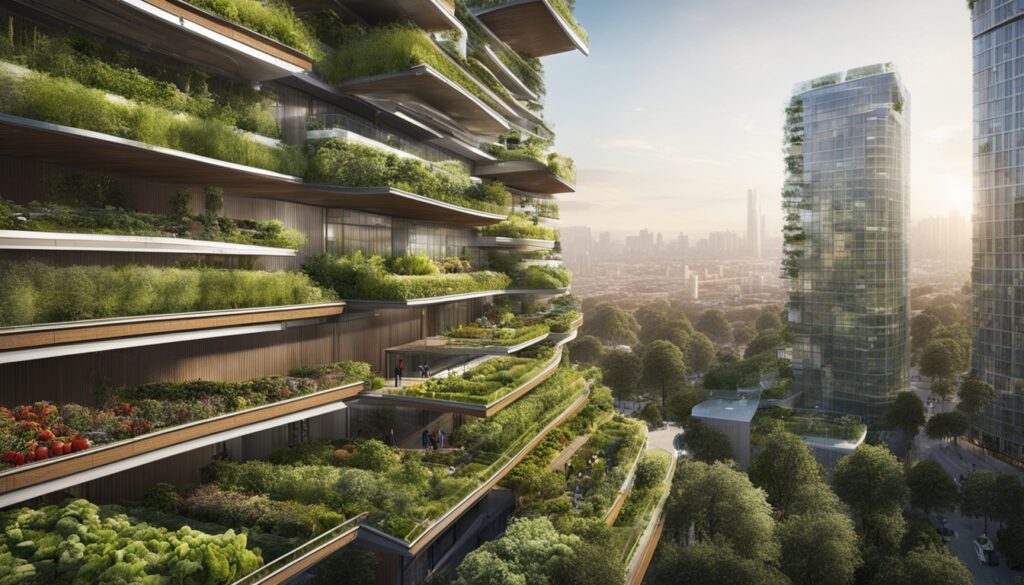
Bringing nature into city designs is a big part of sustainable planning. It means keeping and making green places like parks and gardens. These areas help the air, keep things cool, and are great for fun and peace. Nature in cities also brings more plant and animal life and makes people feel good.
Adopting Green Building Practices
Building green is a major part of planning for the future. Green projects use less energy and materials and make less pollution. They use the wind and sun for power, need less artificial light and air, and use special, earth-friendly materials. Green buildings help cut down on pollution and work toward a future that’s better for everyone.
Promoting Mixed-Use Developments
Encouraging areas that mix living with working and playing is good for cities. These places have homes, shops, and fun spots close together, so people don’t have to travel far. This makes them happy places where people walk and meet, lessening traffic and making life better in the city.
Provision of Basic Services and Affordable Housing
It’s important that everyone gets basics like water, healthcare, and a home. Good urban plans make sure these needs are covered for all. This helps make cities fair and good for everyone, improving life for city dwellers.
Overall, making cities better means thinking about the earth, people, and the future all at once. By adding nature to designs, choosing to build green, mixing how we live and work, and making sure everyone has what they need, cities can thrive for a long time. This boosts the health and happiness of people in cities.
| Benefits of Sustainable Urban Planning | Examples |
|---|---|
| Promotes environmental sustainability | Integrating green spaces into city design |
| Enhances quality of life for residents | Creating walkable neighborhoods with easy access to amenities |
| Reduces resource consumption and carbon emissions | Adopting energy-efficient building practices |
| Improves social equity and inclusivity | Providing affordable housing and basic services for all |
The Role of Smart City Innovations
Smart cities are leading the way in making urban life better and more sustainable. They use technology and data to manage resources efficiently. This makes for a better connected and eco-friendly city life.
For example, smart cities are using sensors to check air quality. These sensors give real-time pollution data. This helps cities plan actions to make the air cleaner and protect people’s health. They find areas with lots of pollution and work to reduce it, making the city healthier for all.
“Smart city innovations leverage technology and data to optimize the use of resources, enhance connectivity, and improve the quality of life for city residents.”
Smart grids are another cool tech in smart cities. They manage power better, using clean energy like solar and wind. This cuts down on pollution and makes energy use sustainable. Smart grids also make sure the city has enough power, even in busy times.
Smart transport is a big part of smart cities too. This uses data to make traffic flow better and public transport more efficient. By using smart traffic systems and encouraging green ways to get around, the city moves more people easily. It also cuts down on pollution, offering a planet-friendly way to travel.
Benefits of Smart City Innovations
Putting smart tech in cities helps in many ways:
- It uses resources like energy and water smarter, helping the planet.
- Life in the city gets better with quicker travel and cleaner air.
- New tech jobs are created, making the city a more lively place.
- Cities can handle tough times like natural disasters easier.
Overall, smart city innovations are key for cities to grow in a way that is good for people and the earth.
| Smart City Innovations | Benefits |
|---|---|
| Sensors for air quality monitoring | – Improved air quality and public health – Targeted pollution reduction strategies – Cleaner and healthier urban environments |
| Smart grid systems | – Efficient energy distribution – Integration of renewable energy sources – Reliable and resilient energy supply |
| Smart transportation solutions | – Optimized traffic flow and reduced congestion – Enhanced public transportation services – Promotion of sustainable mobility options |
The Need for Inclusive and Resilient Cities
Inclusive and resilient cities play a big role in keeping our planet healthy. They make sure everyone can easily use and afford important services. This includes those who are at risk or face tough circumstances. At the same time, these cities work hard to prepare for and recover from disasters and the changing climate. By following these strategies, cities can offer a fair future to all.
Inclusive cities aim to make sure all people can enjoy the same resources and chances. They focus on making housing, healthcare, schooling, transportation, and public areas available for everyone. This effort helps to bring people together, lower the gap between the rich and the poor, and make life better for all.
Resilient cities build up their strength to face different problems. They put money and effort into making their city tougher against unexpected events. This includes making their response to emergencies better, planning the city smarter, and working on ways to deal with climate change. By doing this, cities can protect people who are the most at risk and keep vital services going during tough times.
“Inclusive and resilient cities are key to a sustainable future. They focus on the needs of all kinds of people and help them succeed even when things get hard. By doing so, these cities are leading the charge towards a better and more fair future.” – Jane Roberts, Urban Development Expert
Advantages of Inclusive and Resilient Cities
Inclusive and resilient cities bring many good things. They improve life for all, protect the environment, and help everyone get along. Here are the advantages:
- Life gets better for everyone, no matter their background or abilities.
- People in different groups feel closer and get along better.
- The gap between the rich and the poor gets smaller, and everyone gets the services they need.
- The city is better at dealing with disasters and keeping everyone safe.
- The environment is looked after, thanks to smart city planning and design.
- Job chances and the economy grow because of strong city infrastructure and development.
- Great places to live draw in new businesses, skilled people, and money.
As shown above, inclusive and resilient cities help each other grow. They bring social, economic, and environmental benefits together. By being inclusive and prepared, cities set the stage for a bright, equal, and green future.
| Key Elements of Inclusive Cities | Key Elements of Resilient Cities |
|---|---|
|
|
It’s key to mix the best from both inclusive and resilient cities for a green and people-friendly future. By focusing on inclusivity and strength, cities can make spaces that are open, secure, and good for the planet. This improves life now and for the future.
Financing Sustainable Urban Development
It’s key to finance sustainable growth in cities. They need support for inclusive, resilient policies. As cities grow and challenges increase, they need money. This money is for things like building better infrastructure, making homes affordable, and keeping the environment safe.
Many places help fund city projects. City budgets are a main source. They use funds for things like better roads, helping people, and public services. All this helps cities grow in a good way.
Country-wide, help comes from the government too. It gives money to cities for their eco-friendly and fair development. This help can make buses run better, create more parks, and fix old buildings.
The business world also joins in. Companies and investors work with cities on green and fair projects. This is often through public-private partnerships. These deals bring together city and private money for big projects.
Global help is important for city growth. Groups like the World Bank and UN give money and advice to cities everywhere. This support goes to things like making fair housing, fighting climate change, and building up local skills.
For lasting success, cities need smart ways to keep making money. They need to cover daily costs, maintenance, and services. Charging fees or taxes can help pay for the right projects. This way, cities can stand on their own feet.
Examples of Funding Sources for Sustainable Urban Development:
| Funding Source | Description |
|---|---|
| Municipal Budgets | Funds allocated from local government budgets to support sustainable urban development initiatives at the municipal level. |
| National Government Subsidies | Financial assistance provided by national governments to support urban development projects and programs. |
| Private Sector Contributions | Investments and partnerships with the private sector to fund sustainable urban development projects. |
| International Assistance | Financial support and technical expertise provided by international organizations for sustainable urban development initiatives. |
Getting the right funding is vital for cities to be livable, fair, and strong. By using many sources and smart money plans, cities can beat financial blocks. This lets them follow policies for a better future.
Enhancing Urban Data and Knowledge Sharing
Enhancing urban data and sharing knowledge is key for planned cities. It helps in understanding challenges and choosing smart plans. It also allows cities to learn from each other to solve problems better. By working together, cities can share what works and what doesn’t, promoting growth for all.
When cities share data, they open the door to new ways of working together. They can work on sustainable solutions to things like traffic and pollution. This helps them get better by comparing with other cities and choosing the best paths.
Sharing what they know helps cities grow smarter without redoing old work. They can teach each other what they’ve learned and work as a team on big issues like saving the environment. This teamwork is powerful in making cities better places to live.
“The exchange of knowledge and best practices among cities can catalyze innovative solutions and accelerate progress towards sustainable urban development.”
Places where cities can talk and learn from each other are very important. They offer chances for cities to share their stories and learn from experts. This kind of meeting shares good ideas, making all cities stronger together.
By sharing data and knowledge, cities can become better at solving problems. They learn to make smarter choices, helping their cities grow. This kind of teamwork builds a culture of learning and helps cities improve continuously.
Promoting Data and Knowledge Sharing:
- Establish open data initiatives that facilitate the sharing of urban data
- Encourage the use of standardized data formats and protocols to enhance interoperability
- Support the development of collaborative platforms and networks for cities to share experiences
- Promote capacity building programs to equip cities with the necessary skills to collect, analyze, and share data
- Provide financial incentives or grants to cities that actively participate in data and knowledge sharing initiatives
| Benefits of Urban Data and Knowledge Sharing | |
|---|---|
| Facilitates evidence-based decision-making in urban planning | Enables benchmarking and performance assessment |
| Fosters innovation through collaboration and knowledge exchange | Promotes the replication of successful policies |
| Enhances cities’ capacity to address complex urban challenges | Supports the achievement of sustainable development goals |
Embracing data sharing and learning can make cities better and the community stronger. By working and learning together, cities can overcome tough challenges. They can create a future that’s good for everyone and the earth.
Participatory Planning and Governance
Participatory planning and governance help make cities better for everyone. They involve the people, communities, and groups in making decisions. This ensures that what the city does matches what the locals and groups need. It helps everyone feel like they part of making the city better.
Getting the community involved in planning means everyone’s voice gets heard. It makes sure even those usually hidden in the crowd, like marginalized groups, have their say. This way of planning fights against social and economic gaps, making cities fairer. With everyone pitching in, the city can make policies that actually help everyone.
Cities also need everyone to work together, including officials, groups, and businesses. When everyone pulls in the same direction, they make the city grow better. They use their different skills and resources to solve big challenges of a city.
“Participatory planning and governance empower communities to actively shape the development and transformation of their cities.” – United Nations
Today, tech and data play a big part in how we plan together. They let people share their thoughts easily and help decide what’s best for the city. This makes how cities are built clearer and more honest. It also means we all can trust the decisions that are made.
This way of planning isn’t just for now. It’s about staying in touch with the people and groups over time. A city must keep talking to its residents and groups. This makes their ideas and needs always part of how the city moves forward.
Promoting Participatory Planning and Governance
Here’s how cities can get better at planning together:
- Offer times for the public to share their thoughts and ideas
- Help form groups that look out for the local community
- Teach the community how to plan for themselves
- Make sure people have the info they need to make smart choices
- Get businesses and the community to work together on city projects
When cities work with everyone, they get smarter and more creative ideas. This way, the city’s growth plans are fair, good for everyone, and made together.
Having a say in how our cities grow is important. It makes us all feel like the city is ours and it’s working for everyone. By following these important ideas, cities become places where all can live well.
Strengthening Urban Resilience
Urban resilience helps cities not just survive but thrive. It’s about preparing for and bouncing back from hard times. It includes making plans and doing things that make cities stronger.
Disaster Risk Reduction
Lowering the risk of disasters is key for city strength. By finding and fixing dangers, cities can do better when disaster strikes. They use things like risk checks, warnings, and ways to act in emergencies.
Infrastructure Resilience
Strong and smart infrastructure is vital for city toughness. This means roads, power, and water systems must handle bad events. Making them ready for climate changes is smart, so they can last longer and work better.
Social and Economic Resilience
Cities must help people and jobs stand up to hard times. This means building communities that support each other and jobs that can change. It also includes making sure things like homes and health care are affordable.
“The key to urban resilience lies in the integration of disaster risk reduction, infrastructure resilience, and social and economic resilience.”
Integrating Climate Change Adaptation
Climate change is a big threat to cities. They must plan for things like saving water and energy. By taking climate issues seriously, cities can be ready for a warmer, changing world.
The Role of Green Infrastructure
Green spaces are not just pretty; they help cities avoid some climate problems. They soak up bad gases, help water drain safely, and keep the air fresh. Adding green spaces helps cities stay nice and healthy.
Enhancing Community Preparedness
It’s important for everyone in a city to know what to do in an emergency. Cities teach and test their plans so people are ready. This makes the city work better together when trouble comes.
International Cooperation for Sustainable Urban Development
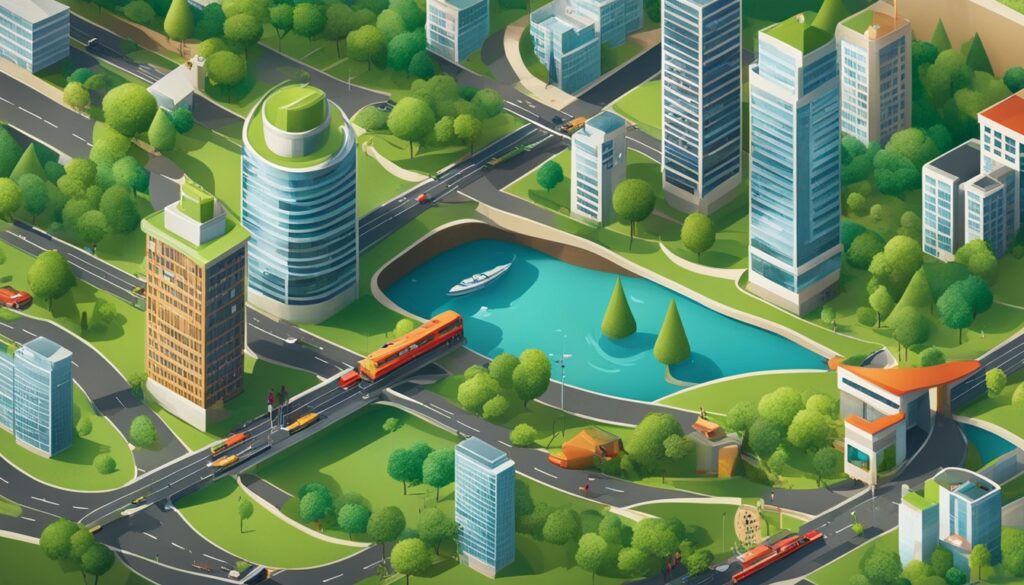
International cooperation is key for making cities more sustainable. Cities can learn from each other by sharing their best ideas. This creates a network of knowledge that helps everyone.
Organizations like the United Nations help cities work together. They offer a place for ideas and goals to be shared. They also support cities in their efforts to become more green and sustainable.
Learning from others helps cities face challenges better. Each city can pick and apply strategies that fit its needs. This leads to more effective solutions for everyone.
When cities team up, they’re stronger together. They share what they know and what they have. This helps in fighting big problems like climate change and in making living spaces better for all.
Working together makes cities closer and more supportive. Networks and learning programs connect cities. They learn from one another and help each other grow greener.
International cooperation helps cities become better places for everyone. It makes a future where cities are welcoming, strong, and green.
Benefits of International Cooperation:
- Sharing knowledge and best practices
- Accessing technical help and resources
- Working together on new ideas
- Learning how to make cities better
- Connecting with others and sharing knowledge
- Supporting green city life together
Cities can do more together than on their own. They can make the world’s cities greener and fairer. This is important because city problems affect everyone. So, working as a team is key.
Cities lead in making a better future. They share ideas globally and grow together. This way, all urban areas can be lively, fair, and careful with the earth.
Monitoring and Evaluation of Urban Sustainability
Monitoring and evaluation are key parts of reaching sustainable urban development. They help cities check their progress and the impact of their actions. By tracking goals, cities learn what works and where they can do better.
To monitor well, cities need clear goals and ways to measure them. Setting up key performance indicators (KPIs) and goals helps them see how effective their actions are. This way, they can spend money wisely and focus on what’s important.
Good monitoring makes cities more open and responsible about their sustainability work. They can show stakeholders what they’ve accomplished, proving they’re serious about going green. Learning from what they monitor helps them make smarter choices and improve over time.
“Monitoring and evaluation provide a comprehensive understanding of the effectiveness of policies and programs, helping cities optimize resources, improve performance, and make informed decisions for sustainable urban development.“
If cities want to monitor and evaluate well, they need to:
- Invest in gathering and analyzing data well: Good data is crucial; cities should use the best methods to collect and analyze it.
- Work with a variety of groups: Including different stakeholders helps cities stay on the right track and considers all viewpoints.
- Share updates often: Being open about progress and challenges builds trust and keeps everyone involved. Regular updates are key.
- Keep learning and getting better: Monitoring and evaluating their efforts should always be ongoing. This way, cities can keep improving.
Using data wisely can lead to smarter decisions and better policies. This makes a big difference in making cities cleaner, greener, and more resilient. By keeping up with monitoring and evaluation, cities can enhance their sustainability work and make their urban areas great places to live.
Conclusion
Urban cities are vital in making development sustainable. They do this by using smart city tech, making policies for everyone, and planning for the long term. With these approaches, cities can tackle problems like too many people moving in quickly, lack of proper buildings, and nature getting hurt. This makes the city cleaner and more eco-friendly for everyone who lives there.
Working together across countries is crucial for making cities better in a way that lasts. Sharing what works and good ways to run things helps a lot. When cities learn from each other, they can do things that help the planet faster. This is all part of a bigger plan to meet the Sustainable Development Goals.
WMG Publishing is doing its part in making cities more sustainable with its books, including “Snipers” and “Dead Money.” They are also helping readers save money with book bundles like The Diving Bundle and The Fates Trilogy. More bundles and new series are on the way, giving readers even more choices for books to enjoy.
Even when there’s a hiccup, like a typo in one of Fiction River’s books, WMG Publishing is dedicated to keeping readers hooked with good stories. They mix fiction with real urban life issues, which helps readers escape reality while thinking about ways to make cities better. This kind of storytelling is part of what drives urban development work forward.
FAQ
What is the role of urban cities in sustainable development?
Urban cities are key to building communities that are safe, welcoming, and eco-friendly. They pave the way for everyone to live well while caring for the planet and its resources.
How does rapid urbanization impact urban development?
Rapid urbanization brings chances to grow but also brings challenges. It can lead to issues like uneven living conditions, high energy use, and pollution. Cities must also prepare for the risks of climate change and natural disasters.
What is sustainable urban planning?
This kind of planning makes sure cities are easy to get around, have plenty of nature, and use green transportation. It also combines new and smart ideas in designing. And it looks to offer services and homes that are affordable to all.
What are smart city innovations?
Smart cities use tech and information to use resources smarter, keep everyone connected, and boost quality of life. For instance, they can use sensors to check air and water quality. They also have smart energy and transport systems to make life better and more sustainable.
Why is inclusive and resilient urban development important?
Building cities that everyone can enjoy and are strong is vital. It means making services, homes, and getting around reasonable for all. Doing this helps cities bounce back from tough times, like disasters or climate changes.
How is sustainable urban development financed?
Money for green city projects can come from many places. This includes city, national and private budgets, as well as help from international groups. Charging fees and taxes that help the planet also support these efforts.
Why is urban data and knowledge sharing important?
Sharing what we know about our cities helps in making wise plans and choices. It lets cities see their issues clearly and work better towards goals that make life great for all.
What is participatory planning and governance in urban development?
This means letting people, groups, and those who live there help decide how their city is run. It’s a way to make sure rules and projects match what’s best for everyone involved. This can make cities fairer and give everyone a sense of being on the same team.
How can cities strengthen their resilience?
Cities become stronger by having plans to lower disaster risk and improving how their city handles tough times. This means making sure the city itself is tough and that people and businesses can get back on their feet after trouble. Including ways to fight climate change in city plans and getting ready as a community are big parts of this.
What is the role of international cooperation in sustainable urban development?
Working together across countries means cities can learn from each other and get support for green city projects. Groups that span the globe and different regions also help make this teamwork happen.
Why is monitoring and evaluation important in urban sustainability?
Keeping an eye on how well green city plans are working is key. It helps cities learn and adjust what they are doing to make life and the planet better for all.
Source Links
Top Casinos


GREAT BONUS FOR EVERY DEPOSIT UP TO 360%
Available for all players

Bonus +500% on your deposit
You will receive an additional deposit bonus to your bonus account for your first 4 deposits to your main account.
Recent News